The Comfort of Sad Stories and Their Emotional Impact on Us

Sad stories in books, shows, and movies often draw us in, even though they evoke feelings of sorrow and loss. This might seem strange at first. Why do we seek out narratives that make us feel sad? What is it about tragic tales that comfort us rather than pushing us away? Exploring these questions reveals how emotional stories connect with us deeply, offering more than just entertainment.

Why We Are Drawn to Sad Stories
Sad stories tap into universal emotions that everyone experiences at some point. When we watch a heartbreaking movie or read a tragic book, we recognise feelings like grief, loss, or loneliness. This recognition creates a sense of connection. It reminds us that we are not alone in our struggles.
Many people find comfort in this shared experience. For example, a show about overcoming hardship can inspire hope, even if the story is filled with pain. The emotional journey of characters allows us to process our own feelings in a safe space. This is why fandoms often form around stories with strong emotional themes. Fans discuss, analyse, and support each other through the emotions the story brings up.
Emotional Release and Catharsis
One key reason sad stories comfort us is the emotional release they provide. Psychologists call this catharsis. When we engage with tragic narratives, we experience intense emotions in a controlled environment. This helps us release pent-up feelings that might be difficult to express in real life.
For example, watching a movie where a character faces loss can bring tears, which can be healing. This process helps reduce stress and can improve mood afterwards. Sad stories give us permission to feel deeply, which is often missing in everyday life.
Understanding Ourselves and Others
Sad stories also help us understand ourselves better. They encourage empathy by showing us different perspectives and life experiences. When we read a book about someone coping with grief or watch a show about personal sacrifice, we gain insight into emotions we might not have faced directly.
This understanding extends to real life. It improves our ability to relate to others and respond with kindness. Emotional stories act as practice for real-world empathy, making us more compassionate people.
The Role of Beauty in Sadness
There is often a unique beauty in sadness portrayed in books, shows, and movies. The way a story captures fragile moments, heartfelt dialogue, or quiet resilience can be moving. This beauty adds depth to the sadness, making it feel meaningful rather than just painful.
For example, the novel The Fault in Our Stars explores young love and illness with a mix of sorrow and hope. The story’s emotional honesty and poetic language create a powerful experience that stays with readers long after finishing the book.
Why Fandoms Embrace Sad Stories
Fandoms around emotional stories often become close-knit communities. Fans share their feelings about the story’s sad moments and celebrate the characters’ journeys. This shared experience strengthens bonds between fans and provides a support network.
In addition, fandoms create fan art, fan fiction, and discussions that extend the story’s life. This creative engagement helps fans process their emotions and find joy even in sadness. It shows how emotional stories can inspire connection and creativity.
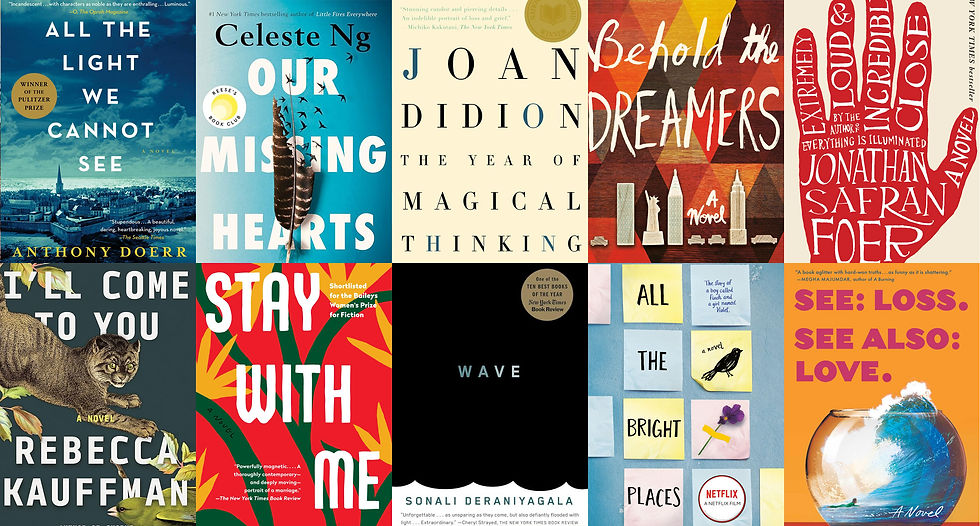
How to Choose Sad Stories That Comfort You
Not all sad stories have the same effect. Some might feel overwhelmed or depressed. To find comfort, look for stories that balance sadness with hope or meaning. Here are some tips:
Choose books or movies with characters who show resilience or growth.
Look for narratives that offer a sense of closure or understanding.
Engage with fandoms or discussion groups to share your thoughts.
Avoid stories that focus only on tragedy without any positive elements.
By selecting stories thoughtfully, you can enjoy the emotional depth without feeling weighed down.
The Lasting Impact of Sad Stories
Sad stories stay with us because they touch something real inside. They remind us of our own vulnerabilities and strengths. They help us face difficult emotions and find meaning in them. Whether through books, shows, or movies, these stories offer a unique comfort that few other experiences can match.
For book lovers and movie enthusiasts, embracing sad stories can deepen appreciation for storytelling’s power. These narratives invite us to explore the full range of human emotion, making us feel more connected to ourselves and others.
Reflect on the last sad story that moved you. What taught you about your feelings? How did it change your view of the world? Sharing these reflections with others can enhance the comfort and understanding these stories provide.


Comments